
Active Warrants in Johnston County
There is no official Johnston County public active-warrant search or list. That fact trips up a lot of people who expect a database they can type a name into. The county does not run one. Magistrates and clerks issue arrest and search warrants, and those documents are part of the court file, not a posted roster. A criminal magistrate also conducts the initial appearance after an arrest and sets the conditions of release. So warrant data exists, but it does not sit on a public web page waiting to be browsed.
What the Sheriff's Office offers is different. It runs an active inmate inquiry and a recent-arrest search. Neither one is a warrant database. They show people already booked into the jail, not open warrants that have yet to be served. If a warrant has not led to an arrest, it usually will not appear in either tool. This is the single most important thing to understand before you start a Johnston County warrant search.
Unreturned criminal warrants are restricted. The state eCourts Portal lists them as an example of records that need elevated access, so the general public cannot pull them. That restriction is by design and it applies to Johnston County the same as the rest of the state.
How Johnston County Warrants Become Public
A warrant starts as a private court document. It does not become broadly public the moment a magistrate signs it. Two things change that. The first is an arrest. Once a person is booked into the Johnston County Jail, the Sheriff's recent-arrest search and active inmate inquiry can show the name, a primary charge, and an arrest date. The second is a court filing. When a charge is filed, the eCourts Portal may show public criminal case events for that matter.
So the path looks like this in plain terms.
Warrant issued › Arrest or case filing › Public record appears through the jail tool or the court portal.
Until that middle step happens, the warrant stays low-profile. An unreturned criminal warrant, meaning one that has not yet been served, is held back from public search. That is why a clean result in the recent-arrest tool does not prove there is no warrant. It only proves no recent booking shows up. To get closer to the truth, you check the court portal and you call the clerk. The Johnston County court records page walks through the portal in more detail.
Who Issues Johnston County Warrants
Magistrates and clerks issue arrest and search warrants in Johnston County. A magistrate is an officer of the District Court. After someone is arrested, a criminal magistrate conducts the initial appearance and sets the conditions of release, which can include a bond amount. The clerk also has authority to issue certain warrants and handle parts of the early process. These roles matter because they tell you who to call when you have a question about a specific warrant or a court date.
For warrant-specific or magistrate questions, the Magistrates-Criminal office can be reached at (919) 209-5462. For case files, certified copies, and court-date questions, the Clerk of Superior Court is at (919) 209-5400. The state's court-officials page explains what magistrates, clerks, judges, and district attorneys each do.
That page helps you route a Johnston County warrant question to the right office instead of guessing. When in doubt, the clerk is a safe first call.
Types of Johnston County Warrants
Not all warrants are the same. The kind of warrant shapes how it is handled and what you should do next. Some come from a fresh criminal charge. Others come from a missed court date. A few are sealed during an active investigation. Knowing the type helps you read a result and pick the right next step in a Johnston County warrant search.
- Arrest warrant - issued when a magistrate or judge finds probable cause for a criminal charge.
- Bench warrant / order for arrest / FTA - issued for a missed court date or for not following a court order.
- Search warrant - authorizes a search and seizure; it may be sealed and not public during an investigation.
- Fugitive / extradition warrant - used to hold a person wanted in another state or jurisdiction.
- Civil order for arrest - can arise in contempt or child-support matters, not from a new crime.
An order for arrest tied to a failure to appear is one of the most common. Miss a court date and the judge can order your arrest. That charge label may show up on the jail's recent-arrest list once the person is booked. The label is a starting point, though, not the final word on the case.
How to Run a Johnston County Warrant Search
Since the county has no public warrant list, the closest official tool is the Sheriff's recent-arrest search. It checks bookings from the last 15 calendar days. If a warrant or an order for arrest led to a recent arrest, the charge may appear here. The Johnston County recent-arrest search lets you look by name or by date range. For people already in the jail, the active inmate inquiry shows who is currently housed after you accept a disclaimer.
- Open the recent-arrest search on the Sheriff's Office site.
- Search by Last Name, which is required, and add a First Name to narrow it.
- Or switch to the date-range option and enter a Beginning Date and Ending Date as mm/dd/yyyy.
- Keep the range inside the last 15 days, since the tool only covers that window.
- If no recent booking shows, check the eCourts Portal and use Search Hearings for any court date.
- Call the Clerk of Superior Court at (919) 209-5400 for case or court-date questions.
Note: a clean recent-arrest result does not mean there is no warrant, because unserved warrants are not posted and the tool only covers the last 15 days.
Johnston County Recent-Arrest Search Fields
The recent-arrest tool gives you two ways to search. You can search by name, where the last name is required, or by a date range limited to the last 15 calendar days. There is no field for a warrant number, because this is an arrest tool and not a warrant database. The table below lists the fields the Sheriff's search actually uses.
| Field Label | Type | Required | Notes |
|---|---|---|---|
| Last Name | Text | Yes | Marked with a red asterisk; the main required field. |
| First Name | Text | No | Optional; helps narrow common last names. |
| Beginning Date | Date | Yes (date mode) | Format mm/dd/yyyy; inclusive. |
| Ending Date | Date | Yes (date mode) | Format mm/dd/yyyy; inclusive; last 15 days only. |
Pick one mode at a time. Use name search when you know who you are looking for. Use the date range when you want to scan recent bookings. Either way, the window stays short, so an older arrest will not show.
What a Johnston County Warrant Record Shows After an Arrest
Before an arrest, warrant details are mostly out of public reach. After an arrest, certain warrant-related fields can become visible across the jail tool and the court portal. The set is limited. The Sheriff's tools show a name, a primary charge, and an arrest date. A court case number and a court date come from the eCourts Portal once a public case is filed. Bond and release conditions often are not shown in the jail profile and may need a phone call. The table below maps the common fields and where each one comes from.
| Field | What It Shows |
|---|---|
| Name | Full name of the arrested person on the Sheriff's list and profile. |
| Primary Charge / Charge Table | A short charge description, which may include FTA or order-for-arrest labels. |
| Arrest Date | The date the person was booked into the Johnston County Jail. |
| eCourts Case Number | The court case number once a public criminal case is filed in the portal. |
| Court Date | Found through the Portal Search Hearings tool, not the jail roster. |
| Bond / Conditions | Often not in the jail profile; call the clerk, magistrate, or jail to confirm. |
The jail charge label is not the final filed charge. Prosecutors can amend, dismiss, or upgrade charges as a case moves. Pair the jail data with the court case to see what really happened. The Johnston County inmate records page covers the booking and custody side in full.
Where to Check on a Person Who May Have a Warrant
A warrant question is often really a custody question. If a person was arrested on a warrant, they may sit in the county jail, a state prison, or a federal facility. Different tools cover each level. Checking the right one saves you from chasing a name through the wrong system. These are official, government-run search tools, not third-party sites.
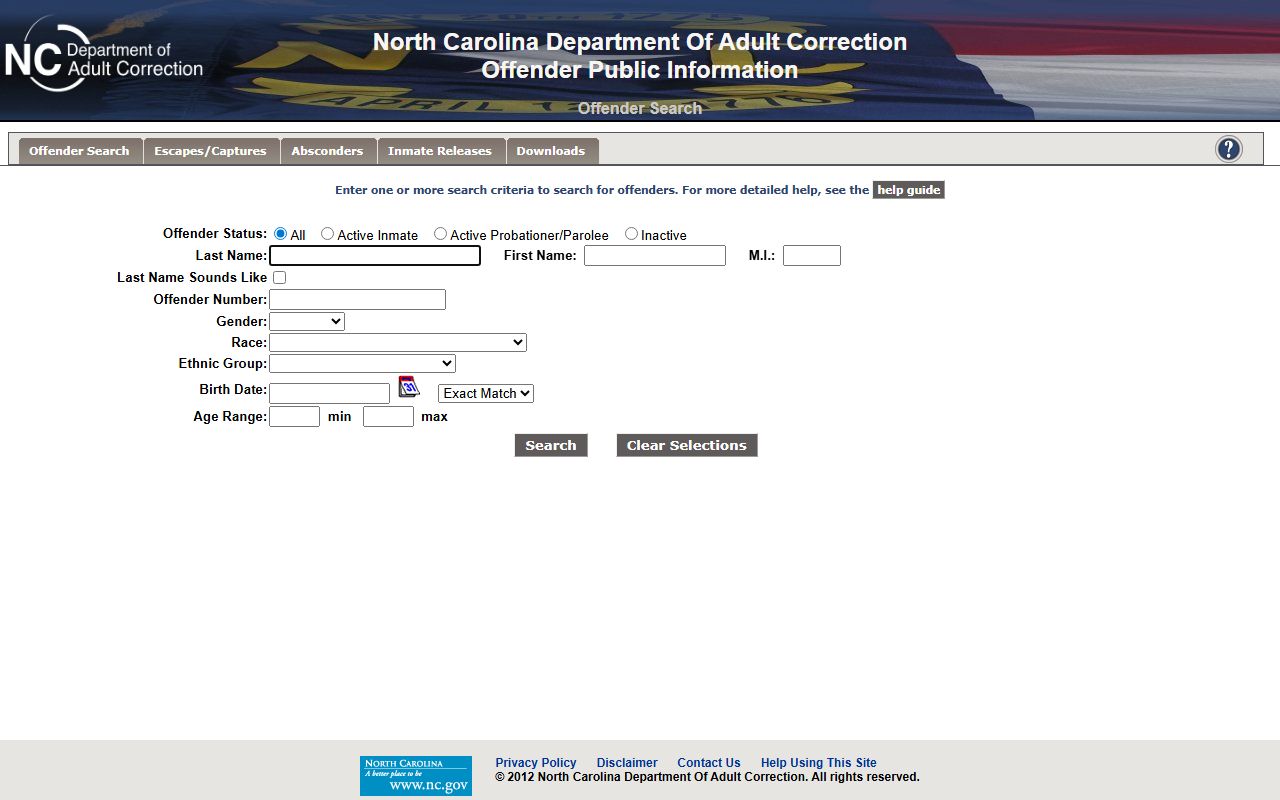
For state custody, the North Carolina Department of Adult Correction runs an offender locator. The NC DAC offender public information search covers people in state prison or on probation or parole, with records going back to 1972.
It is the right tool when a county jail search comes up empty but the person may be in state custody. Some warrant-related arrests, like probation violations, end up there.
For registered offenders, the State Bureau of Investigation maintains a public registry. The NC SBI sex offender registry page explains what the registry holds and how it works.
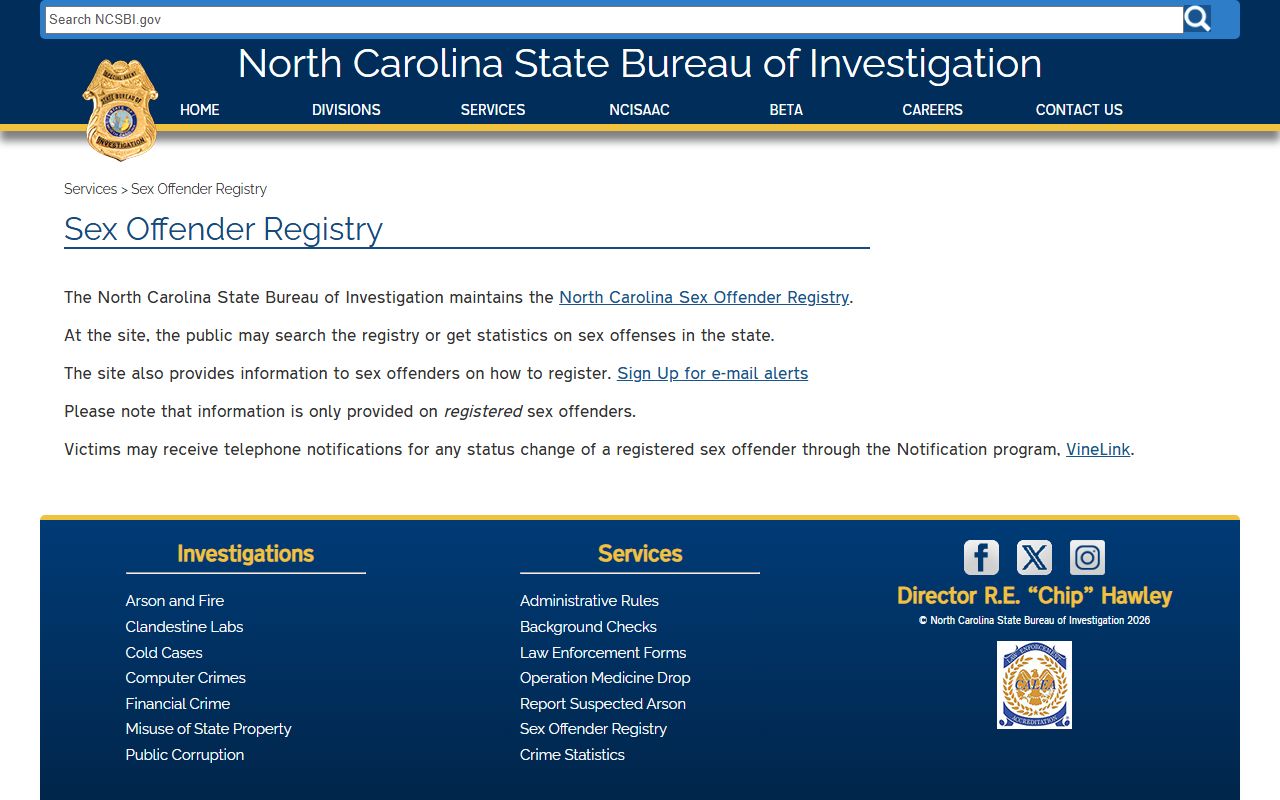
That page is the front door to the registry program. The actual lookup lives on a separate search site.
To search the registry directly, use the statewide tool. The North Carolina sex offender registry search lets you look up registered offenders by name or area.
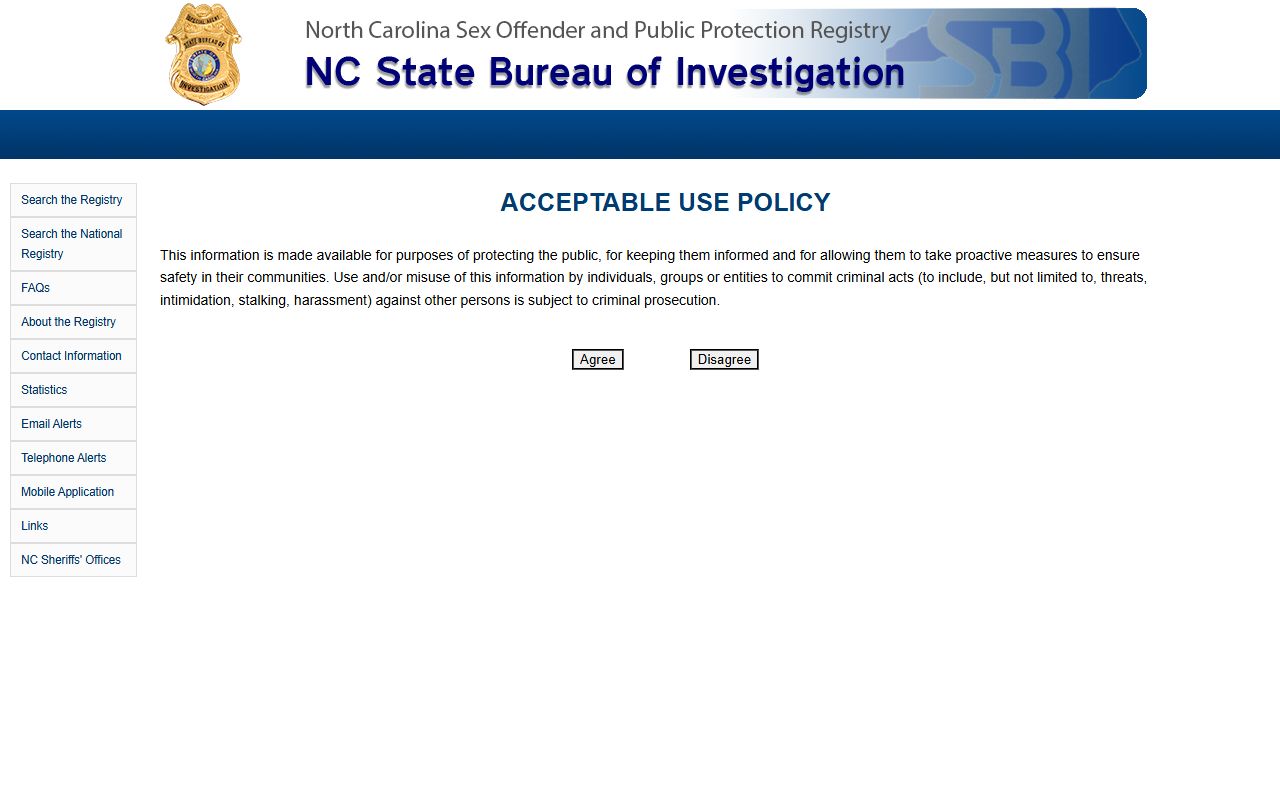
It is a separate system from the jail roster and the court portal, so check it on its own when registry status matters.
If your goal is safety, you can set up custody notifications instead of refreshing a roster. The VINELink victim notification search and registration tool, part of NC SAVAN, sends alerts about county jail inmates, state prisoners, probationers, parolees, and registered offenders.
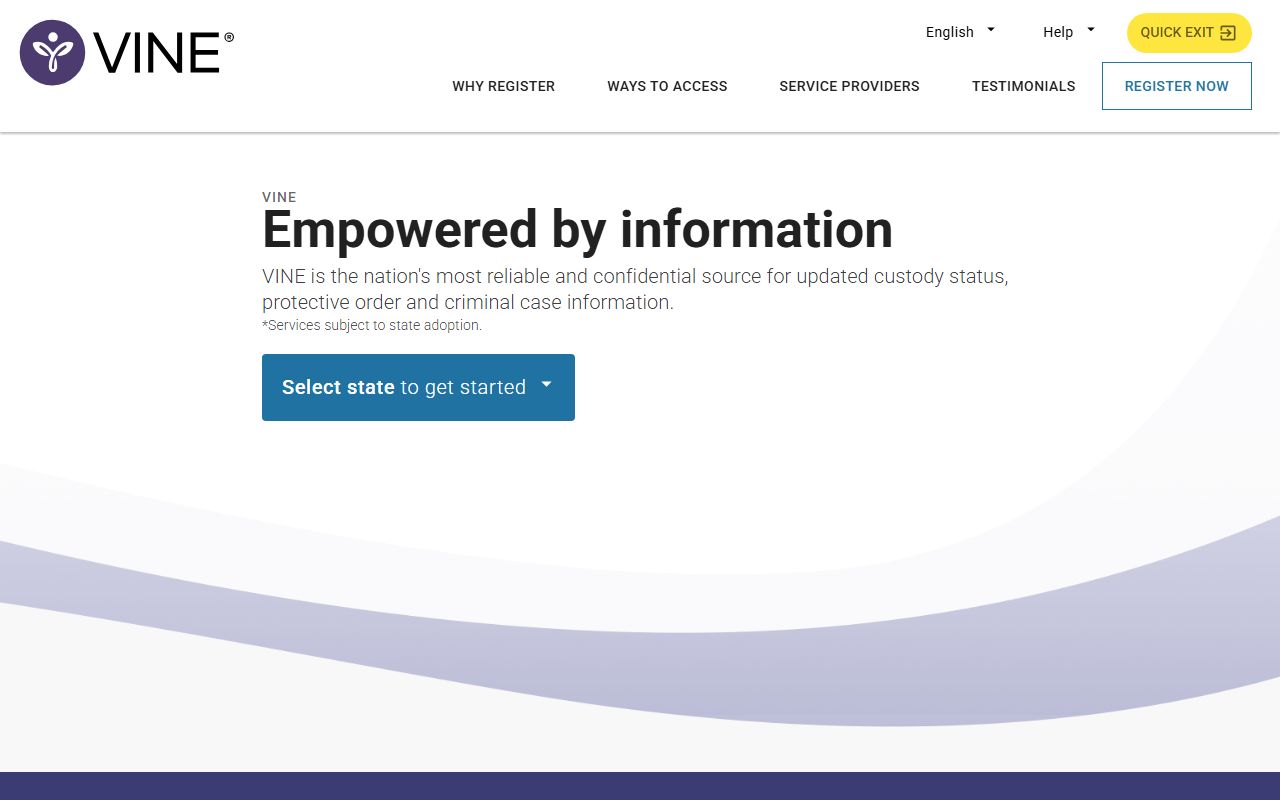
Register once and the system watches custody status for you. That beats checking the Sheriff's list by hand.
For federal cases, the Bureau of Prisons keeps its own locator. The Federal Bureau of Prisons inmate locator finds people held in federal custody, which county and state tools do not cover.
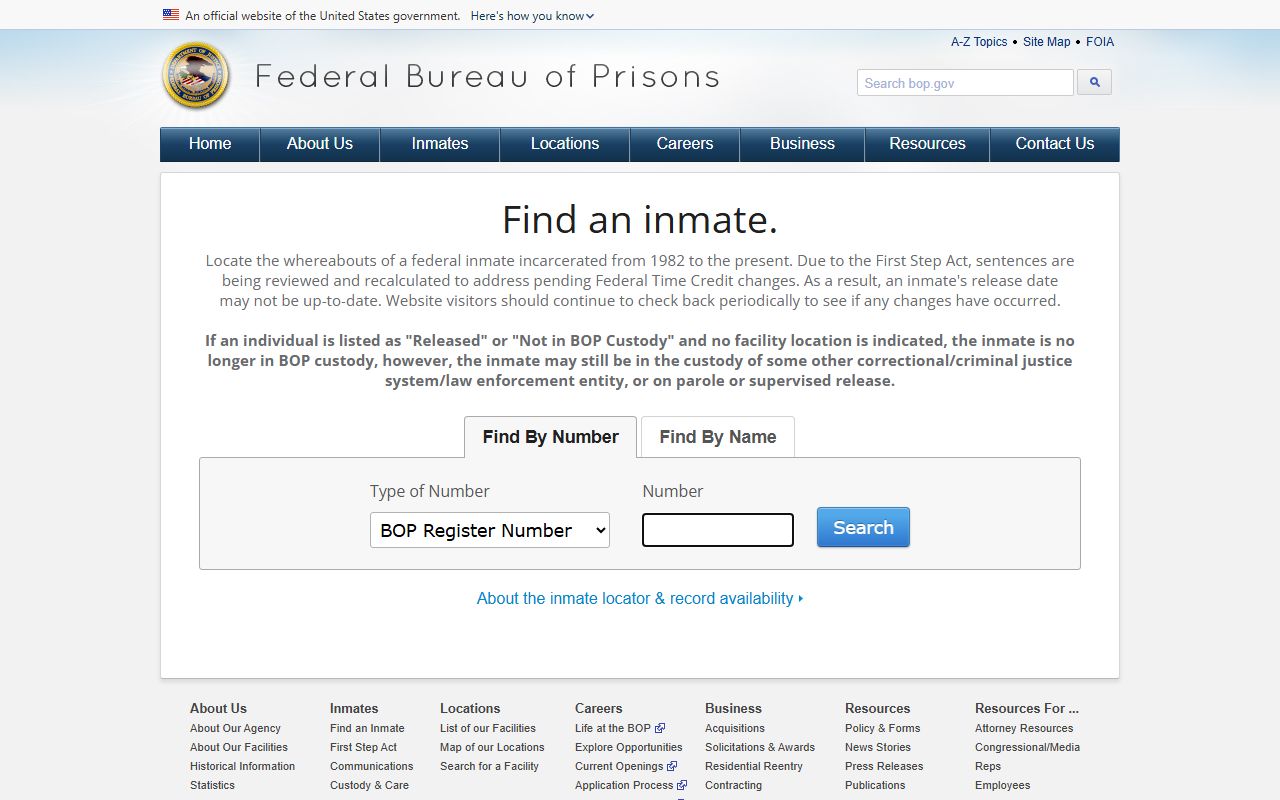
Use it when a federal warrant or charge may be in play. For released individuals, the released inmates page pulls these locators together.
How to Resolve a Johnston County Warrant
If you think there is a warrant or an order for arrest in your name, do not ignore it. An FTA or order for arrest does not go away on its own, and it can lead to an arrest at a traffic stop or any contact with law enforcement. The safe path is to confirm what is on file and get advice before you act. These steps lay out a clean way to handle it.
- Do not rely on third-party warrant websites; they are often wrong or out of date.
- Search the eCourts Portal for public case data and use Search Hearings for any court date.
- Call the Clerk of Superior Court at (919) 209-5400 for case and court-date questions.
- Contact the Sheriff's Office at (919) 989-5010 or the jail at (919) 989-5040 if the person is in custody.
- Talk to an attorney before you appear if there is an active warrant or order for arrest.
- If you plan to turn yourself in, confirm the location, hours, and required ID with the sheriff or a magistrate first.
Important: Talk to a lawyer before you turn yourself in, since bond, charges, and court timing can shift how and where you should appear.
Bond and Court Dates After a Johnston County Arrest
After an arrest on a warrant, a criminal magistrate conducts the initial appearance and sets the conditions of release. That can include a secured bond, an unsecured bond, or release on a written promise to appear. The jail profile in Johnston County often does not show bond or court date. A sample profile checked did not list a bond amount. So you usually have to ask.
For bond, release conditions, or a court date, your best sources are the clerk, the magistrate, the jail, or the eCourts Portal. Call the clerk at (919) 209-5400, the Magistrates-Criminal office at (919) 209-5462, or the jail at (919) 989-5040. Use Search Hearings on the portal to find the next scheduled court date. Keep the full name handy when you call, and a case number if you have one.
Court dates can change. Always confirm the date close to the hearing.
Sealed and Unreturned Johnston County Warrants
Some warrants stay out of public view by law. Unreturned criminal warrants, meaning warrants that have not yet been served, are listed by the eCourts Portal as records that need elevated access. The public cannot pull them. Search warrants may be sealed during an active investigation, so the details are not open while the case develops. Juvenile matters fall under Chapter 7B and are not ordinary public records.
This is why a Johnston County warrant search will not return a full list of open warrants. The system is built to keep unserved and sealed warrants confidential. A few related limits also apply.
- Unreturned criminal warrants - restricted; they need elevated access the public does not have.
- Sealed search warrants - may be withheld while an investigation is active.
- Juvenile warrants - protected under Chapter 7B and not open to general search.
- Federal warrants - handled by federal courts and agencies, not the county system.
Because of these limits, treat any single search as partial. Pair the recent-arrest tool with the court portal and a clerk call, and see the arrest records page for how charges and arrests differ from convictions. The Johnston County court records FAQ answers more common questions.